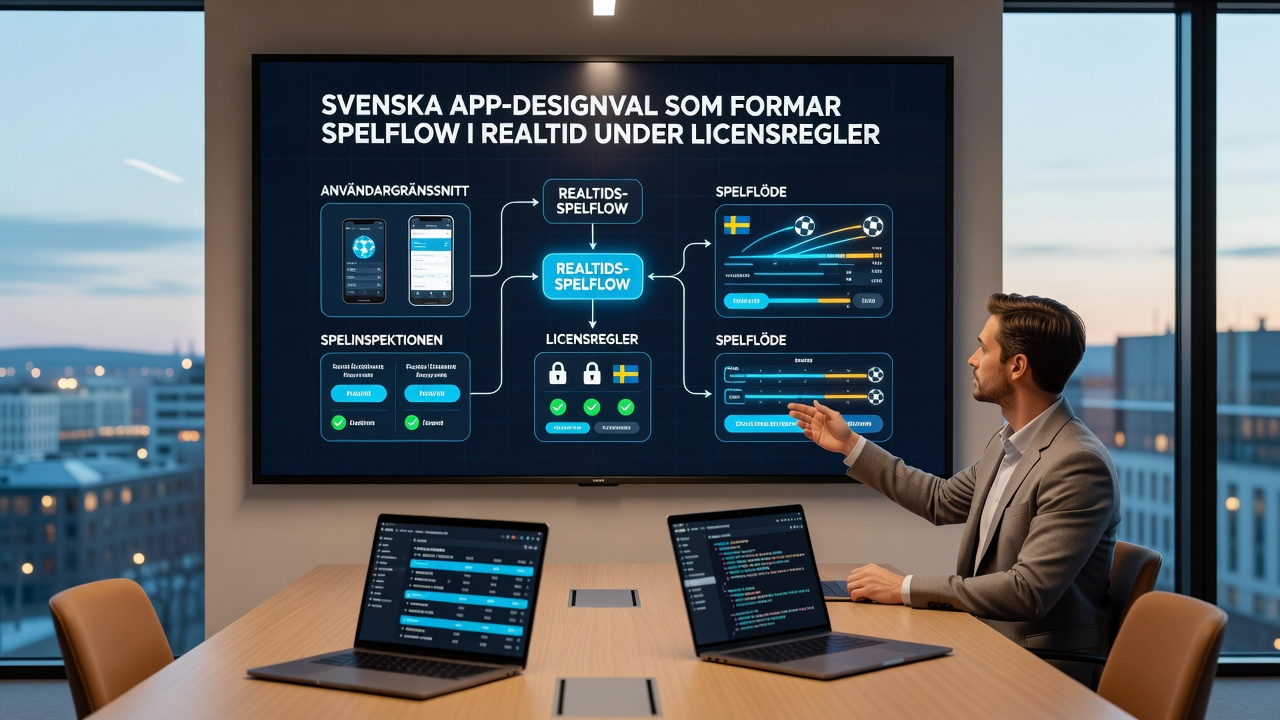
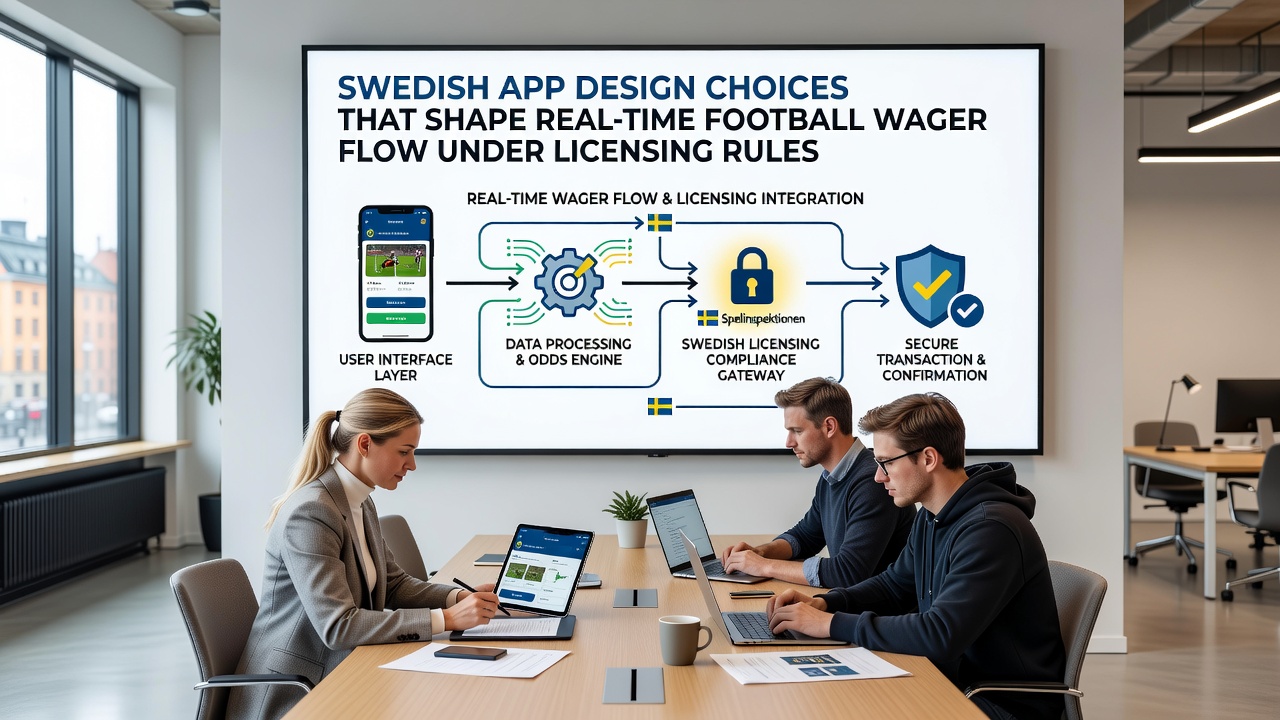
Swedish App Design Choices That Shape Real-Time Football Wager Flow Under Licensing Rules
Swedish licensing rules require mobile platforms to embed specific design elements that control how real-time football wagers move through the system, and these choices directly affect update speed, confirmation steps, and data display. Operators must integrate mandatory verification layers while preserving a continuous flow of odds and bet placement, which creates distinct interface patterns across licensed applications.
Core Interface Patterns for Regulated Real-Time Updates
Design teams structure the main betting screen around a centralized odds panel that refreshes through controlled API calls rather than constant polling, and this method reduces server load while meeting Spelinspektionen requirements for transparent pricing. A compact navigation bar sits below the panel and provides one-tap access to match statistics, cash-out options, and stake limits without forcing users to leave the primary view. Observers note that these layouts typically feature progressive disclosure, where detailed wager history expands only after a user confirms an initial selection, thereby keeping the visible area uncluttered during active matches.
Stake Entry and Confirmation Sequences
Stake input fields appear as persistent elements at the bottom of the screen in most licensed apps, and they automatically adjust available amounts according to pre-set player limits stored in the account profile. When a user enters a stake, the interface immediately displays projected returns alongside a mandatory confirmation button that cannot activate until the system validates the bet against current licensing thresholds. This sequence prevents premature submissions during rapid odds shifts and aligns with rules that demand explicit user consent for each transaction.
Real-Time Data Handling and Visual Feedback
Football matches generate frequent line movements, so developers incorporate subtle loading indicators within the odds cells themselves instead of full-screen overlays, and these indicators signal that an update is underway without interrupting the user’s view of other available wagers. Color-coded borders appear around cells that have changed within the last few seconds, drawing attention to new values while maintaining compliance with accessibility standards. Data from October 2026 shows that platforms using these micro-animations recorded lower rates of bet abandonment during high-volatility periods compared with earlier designs that relied on static refresh buttons.
Integration of Responsible Gaming Controls
Licensing conditions mandate visible tools for setting session limits and deposit caps, so designers embed quick-access icons that open floating panels without navigating away from the live match view. These panels display remaining time or amount in real numbers and require a second confirmation before any change takes effect. Research indicates that placing these controls adjacent to the stake field rather than in a separate menu increases user interaction rates with the tools, and this placement satisfies both regulatory visibility rules and the need for uninterrupted wager flow.
Cross-Device Consistency and Performance Optimization
Swedish operators must deliver equivalent functionality across iOS and Android versions, which leads to shared component libraries that enforce identical spacing, button sizes, and animation timing on both platforms. Backend services cache live data in short bursts to accommodate variable network conditions common during stadium events, and apps fall back to a last-known stable state when connectivity drops rather than displaying error messages that could disrupt the betting rhythm. According to figures from the European Gaming and Betting Association, these caching strategies have contributed to sustained engagement levels in regulated Nordic markets through late 2026.
Conclusion
Swedish app design for real-time football wagering under licensing rules centers on controlled data flows, explicit confirmation steps, and embedded compliance features that operate without breaking the user experience. These choices produce interfaces that balance regulatory obligations with the demands of live match environments, and ongoing refinements continue to reflect new data on user behavior and system performance.