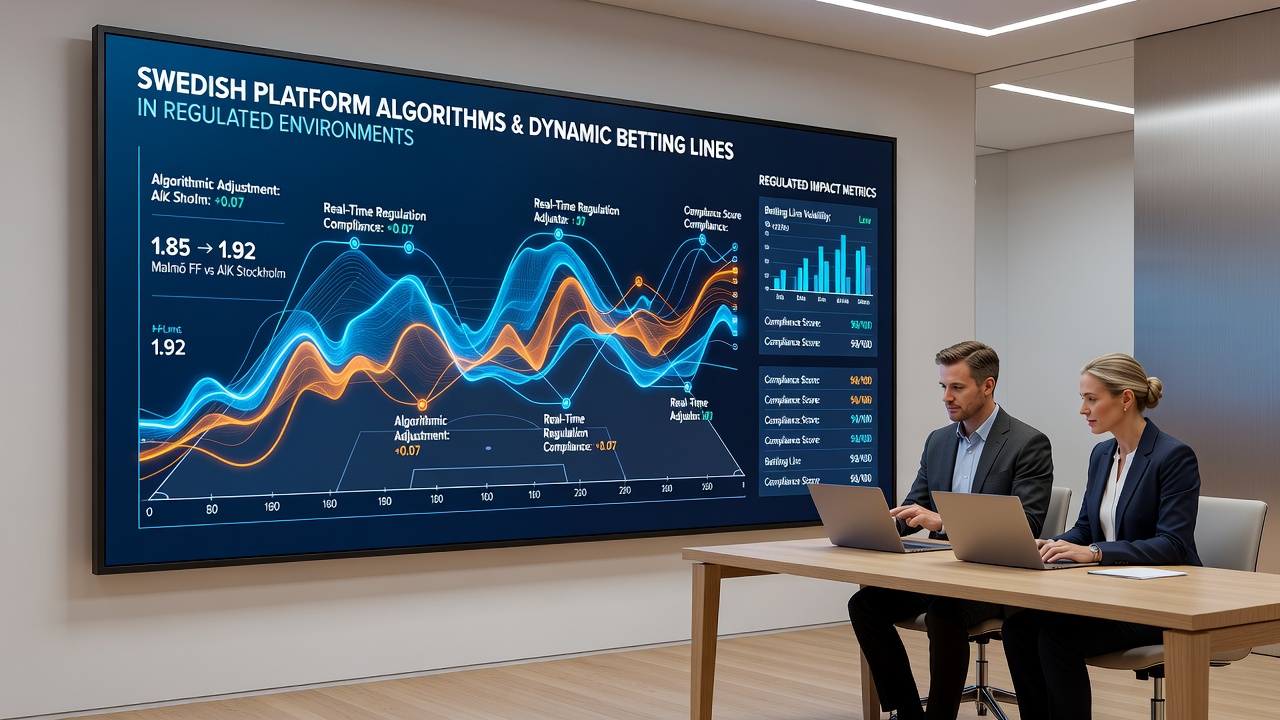
Swedish Platform Algorithms and Their Impact on Dynamic Football Betting Lines in Regulated Environments
Swedish operators maintain strict compliance with national licensing rules while deploying sophisticated algorithms that recalibrate football betting lines in real time, and these systems respond to live match events plus broader market signals without violating Spelinspektionen oversight frameworks.
Algorithmic Foundations in Licensed Platforms
Operators licensed by the Swedish authority integrate machine-learning models that process incoming data streams from stadium feeds, player tracking systems, and external betting exchanges, and these models generate updated odds within milliseconds of new information arriving. Researchers at several European data institutes have documented how such platforms prioritize speed alongside regulatory safeguards, so each line adjustment carries an audit trail that regulators can review during periodic inspections.
One study released in 2025 examined line movements across multiple Swedish mobile applications during Allsvenskan matches, and it revealed consistent patterns where algorithms widened spreads after early goals yet narrowed them again when possession statistics stabilized. Those findings align with observations from industry monitoring groups that track cross-border data flows, and the patterns demonstrate how Swedish systems differ from less regulated markets in their emphasis on documented decision trees.
Regulatory Constraints Shaping Line Dynamics
Swedish legislation requires operators to demonstrate that every algorithmic change remains proportionate and transparent, which means platforms must log the exact variables influencing each odds shift. As of October 2026, updated guidance from Spelinspektionen clarified reporting intervals for automated adjustments, prompting several major operators to refine their internal review protocols. Spelinspektionen continues to publish aggregated statistics on compliance incidents, and those figures show a steady decline in flagged line changes since the enhanced logging rules took effect.
Because the framework prohibits certain high-risk features such as cash-out offers on specific in-play markets, algorithms must incorporate hard stops that prevent lines from moving into restricted zones. Observers note that these built-in limits create distinct volatility signatures compared with platforms operating under lighter oversight regimes, and the resulting market behavior provides useful benchmarks for academic researchers studying regulated versus unregulated environments.
Real-Time Data Inputs and Their Effects
Live football matches generate vast quantities of structured and unstructured data, and Swedish platforms ingest player location coordinates, pass completion rates, and even weather sensor readings to refine probabilities. When an algorithm detects an unexpected substitution or a sudden change in pressing intensity, it recalculates implied probabilities and pushes revised lines to all connected clients simultaneously. This coordinated update mechanism helps maintain fairness across the user base while satisfying the requirement that no customer receives preferential information.

Industry reports from research institutions in Canada and Australia have compared Swedish line volatility with markets in those jurisdictions, and the comparisons highlight how stricter audit requirements correlate with smoother price discovery after major in-game events. Data from October 2026 shows that Swedish platforms experienced fewer extreme line swings during international fixtures than similar operators elsewhere, suggesting that regulatory friction can dampen certain amplification effects within the algorithms themselves.
Market Integrity Measures and External Benchmarks
Swedish operators participate in cross-platform information sharing initiatives coordinated by European gaming associations, and these collaborations allow algorithms to incorporate broader liquidity signals without exposing individual user data. When unusual betting volumes appear on a particular outcome, the systems flag the pattern for human review while automatically adjusting available stakes to protect market balance. Such hybrid human-algorithm workflows satisfy both efficiency and oversight demands, and they have become standard practice across the licensed sector.
Academic papers published by university teams in Australia have explored similar integrity mechanisms, and they note that Swedish platforms often serve as reference models because of the detailed documentation required by local rules. Those studies emphasize that transparent algorithmic governance reduces opportunities for coordinated manipulation, and Swedish operators have contributed anonymized datasets to several ongoing research projects exploring these dynamics.
Conclusion
Swedish platform algorithms operate within a tightly defined regulatory perimeter that shapes how dynamic football betting lines respond to live events, and the resulting systems balance rapid recalibration with comprehensive audit capabilities. Data compiled through October 2026 indicates continued refinement of these processes as operators adapt to clarified reporting standards, while external comparisons from research bodies in multiple regions provide context for understanding the distinctive features of the Swedish approach. The interplay between algorithmic precision and regulatory accountability continues to define how real-time odds evolve on licensed platforms.